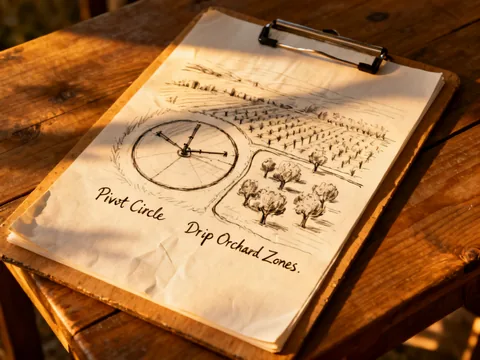
Center pivot path
Coverage planning 40–120 ha; pump flow 60–180 m3/h; VFD pump soft-start preferred above 75 kW; end-gun overlap checked at 10–15% of radius; soil probes every 10–15 ha on first season.
Farm Setup Guide
Use this guide when you are choosing irrigation gear for the next season. Lindsay walks crop goals, water source limits and field geometry until two or three packages remain on the table.
Jump to checklist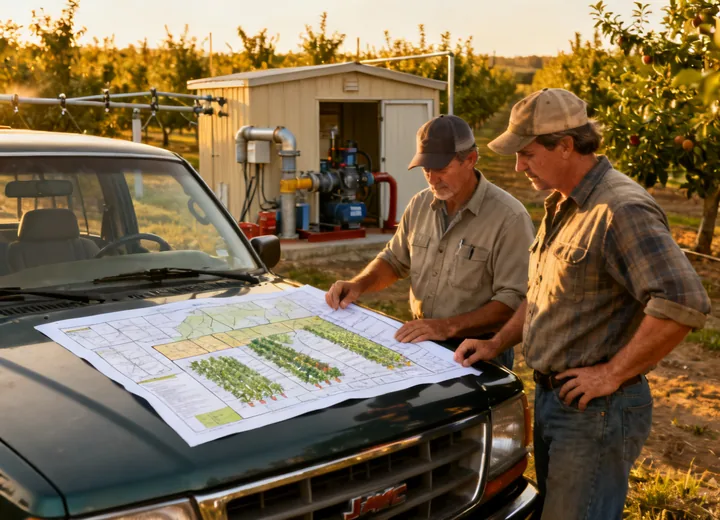
Setup narrative
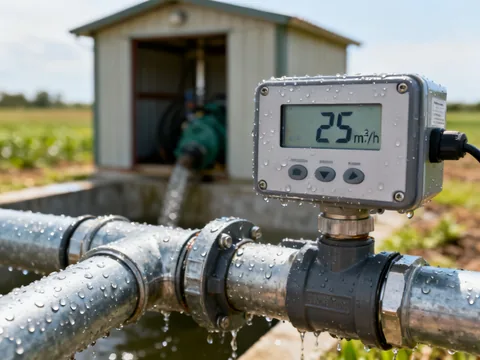
Most irrigation regrets start with a skipped question: what water can you count on in the hottest week? Lindsay begins every Farm Setup Guide session with well tests, canal schedules or reservoir lift notes written in m3/h. Only then do we talk about center pivot spans, drip laterals, fertigation skids or irrigation controllers.
“Write the water number before you fall in love with a machine photo. CapEx decisions get kinder when the source is honest.”
Next we overlay crop stage. Corn at pollination, apples at fruit sizing and forage before a cutting window do not share the same pulse length or nutrient injection timing. The guide captures those stages as checklist rows so your team can see where a controller recipe or a manual night shift is still required.
Field geometry closes the loop. Long rectangles, circular quarters, steep orchard benches and greenhouse blocks each push the drip-versus-pivot debate in different directions. Lindsay records slope, run length and access roads so the shortlist respects how crews actually move equipment—not how a catalog page is drawn. When a 2024 Midwest grower tried to run a 120 ha pivot and a 28 ha orchard drip manifold from one 95 m3/h well, the guide forced a split night schedule before any spans were ordered—preventing a mid-July shortfall that a catalog “coverage area” number would have hidden.
Reference bands
Coverage planning 40–120 ha; pump flow 60–180 m3/h; VFD pump soft-start preferred above 75 kW; end-gun overlap checked at 10–15% of radius; soil probes every 10–15 ha on first season.
Drip tape or emitter spacing 0.3–0.6 m; working pressure 1.0–1.5 bar; dual filtration before fertigation; zone valves grouped by slope band; flush velocity confirmed after install.
Polycarbonate panel or Venlo greenhouse humidity notes; shade screen position for pulse length; fertigation channels 2–4; EC/pH probe calibration weekly in peak growth; short pulses over coarse flood habits.
Expandable checklist
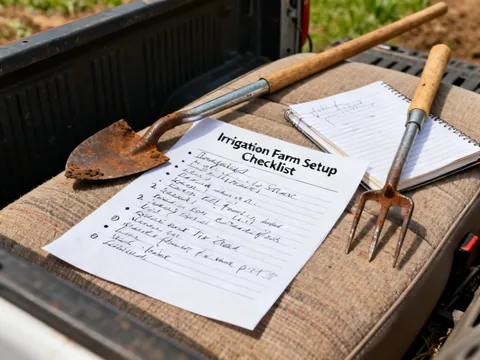
List crop, variety, planted hectares and the quality or yield target that irrigation must protect. Note bloom, pollination, fruit-sizing or cutting windows that cannot slip. If GLOBALG.A.P. or buyer specs require water-quality records, flag them here so filtration stays on the shortlist.
Record well yield or canal allocation in m3/h, seasonal drawdown, lift height and power availability for VFD pumps. Capture water chemistry notes that affect emitter choice and fertigation. If peak ET demand exceeds source capacity, the guide forces a smaller irrigated area or a split schedule before equipment is ordered.
Sketch circles, rectangles, terraces and greenhouse bays. Mark roads, power lines and areas where a pivot cannot swing. Estimate how many nights per week a crew can adjust valves. Labor scarcity often tips a farm from complex drip zones toward a simpler pivot—or the reverse when water is scarce and high-value trees justify zone control.
Keep two or three packages: for example a 40–80 ha pivot with VFD pump, an orchard drip system with dual filtration, or a fertigation-ready controller bundle. For each option list coverage area, flow rate, filtration class, dosing channels and spare-parts lead time. Those rows become the Lindsay RFQ so quotes arrive comparable.
Selection trade-offs
When a Farm Setup Guide session includes a Venlo greenhouse bay or a shade-house block, Lindsay documents the glazing debate instead of defaulting to the cheaper panel. Glass arguments center on higher light transmission and longer service life for high-value vegetables and ornamentals. Polycarbonate arguments center on better insulation, impact resistance and lower installation risk when hail, labor access or winter heating cost dominate. The checklist records crop light demand, heating fuel budget and expected panel life so the irrigation shortlist—pulse length, shade screen position and fertigation channels—matches the structure you will actually build.
1) Peak ET demand above measured well or canal flow forces a smaller irrigated area or a split night schedule—Lindsay will not shortlist a 120 ha pivot against a 90 m3/h source. 2) Steep orchard benches and power-line corridors can make pivot swing paths unsuitable; drip zones become the primary path. 3) Fertigation skids need dual filtration and weekly EC/pH probe calibration in peak growth; without those, dosing accuracy claims do not belong on the RFQ.
Send a pump-test sheet or canal allocation note, a field sketch and crop stage windows. Lindsay returns a free layout-and-water-balance review, lists the measurements still missing and can coordinate a dealer walk-through so valve groups and VFD ramps are checked on site before spans or laterals ship.
Catalog “coverage area” numbers without flow in m3/h, single-stage filtration ahead of fertigation and always-on night cycles that ignore forage cutting windows. Those items fail the guide even when the equipment photo looks right.
Setup gallery

Paste crop, acres, water source, flow rate and the irrigation question you still debate. Lindsay replies with equipment paths and the measurements still missing before you buy.