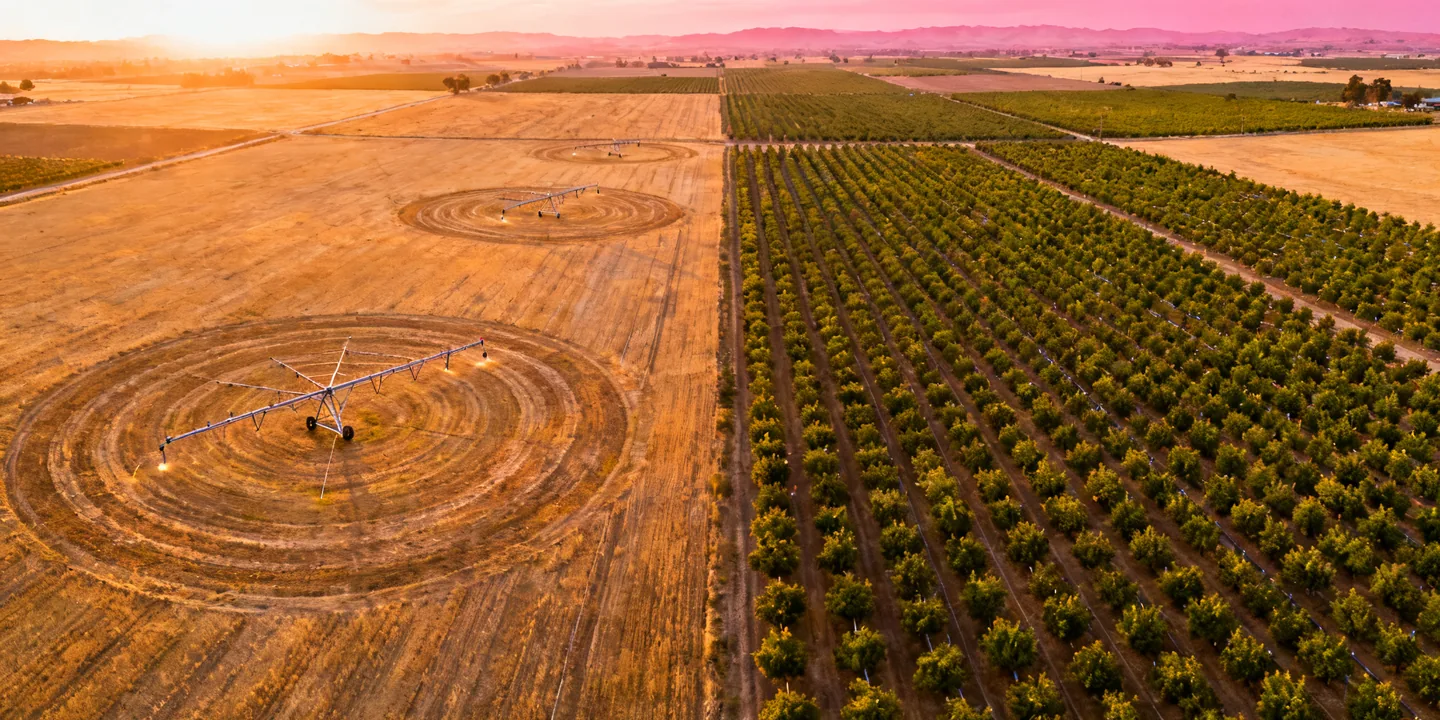
Aerial irrigation landscape across mixed crop blocks

Industries

Irrigation applications shaped by crop, geometry and water risk

Lindsay maps equipment choices to the way each crop earns its return—row crops, orchards, forage and protected culture each need a different water story.

Application cards

Three water stories growers ask us to compare first

Lindsay treats each crop system as a water-and-labor problem, not a catalog aisle. The same pump can feed a center pivot on corn or a drip manifold in an orchard, but the control logic, filtration class and fertigation timing change. Read the cards as starting points for an RFQ conversation that still needs your well test, soil map and harvest calendar.

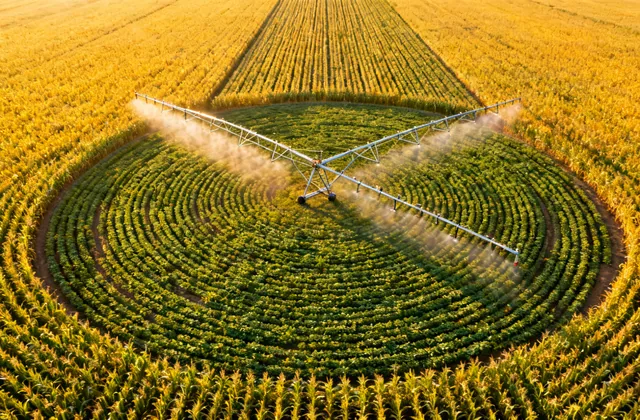
Broadacre row crop under pivot

Row Crops & Broadacre

Large circles reward labor-efficient pivots when pump capacity, end-gun overlap and soil moisture probes stay in sync through peak ET weeks. Lindsay sizes spans to measured flow in m3/h rather than optimistic brochure hectares. On 40–120 ha blocks we often pair a VFD pump with night-priority outer rings so the last tower does not finish two days late when July heat arrives.
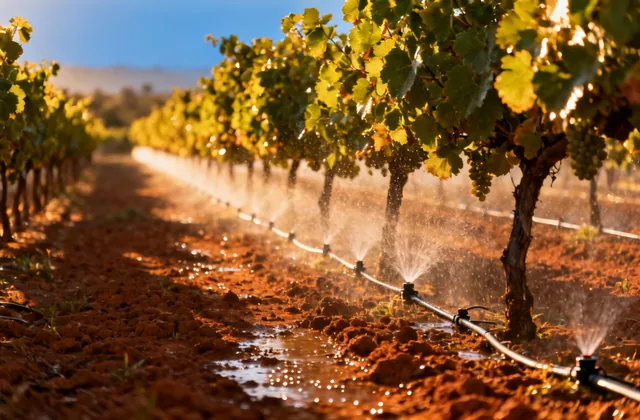
Vineyard micro irrigation

Orchards & Vineyards

Permanent crops need zone control for slope, canopy shade and root-zone targets. Drip and micro irrigation with dual-stage filtration protect emitters while fertigation recipes follow bloom and fruit-sizing stages. Emitter spacing between 0.3–0.6 m and working pressure near 1.0–1.5 bar are common starting bands; we still verify against your laterals and filtration before locking SKUs.

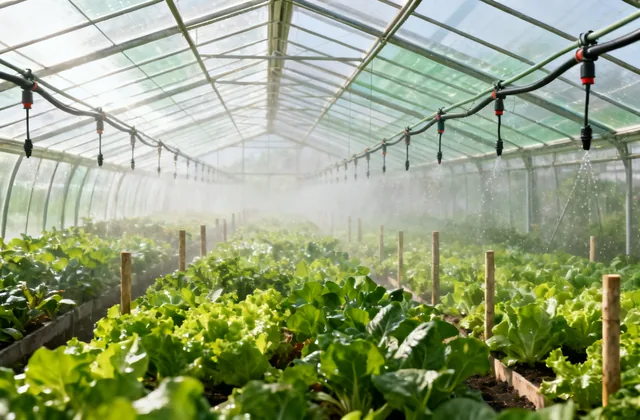
Greenhouse fertigation lines

Protected Culture & High-Value Blocks

Greenhouse and shade-house crops lean on fertigation accuracy, EC/pH probes and short irrigation pulses. Controllers must speak the same language as dosing skids so night recipes do not drift. Lindsay also asks whether a polycarbonate panel Venlo greenhouse or a shade screen house changes humidity and pulse length, because protected culture rarely tolerates the same coarse schedules used on open-field forage where grain moisture targets near 14% still guide late-season water cuts.

Decision notes

Drip irrigation versus center pivot on the same farm

Many Lindsay briefs arrive mid-debate: drip for water-use efficiency on high-value rows, or center pivot for lower labor on large rectangular and circular fields. We do not pick a slogan. If your well delivers 90 m3/h and the orchard needs tight fertigation windows, drip with dual filtration usually wins. If a 100 ha corn block has one operator and a reliable canal night window, a pivot with GPS end-gun control often protects yield with fewer valve walks. When both crops share one pump, the Farm Setup Guide splits schedules so neither system starves the other in peak ET weeks.

Forage and dairy-feed blocks add another constraint: cutting windows. A boom of irrigation that lands on windrowed hay wastes water and quality. Lindsay schedules forage pivots around predicted cuts and documents the assumption in the RFQ so dealers do not commission a “always-on” night cycle that fights the baler calendar. GLOBALG.A.P. water-quality notes and ISO 9001 commissioning checklists travel with export-facing projects when buyers ask for auditable irrigation records.

Application limits

Boundaries Lindsay puts on every industry card

Row-crop pivots are a poor fit when measured source flow cannot finish the outer ring before heat stress, or when field obstacles block a full circle. Orchard drip systems lose emitter life without dual-stage filtration and chemistry notes—Lindsay will not treat fertigation recipes as “set and forget.” Protected culture with polycarbonate or glass still needs humidity-aware pulse lengths; copying open-field forage schedules into a Venlo bay usually wastes water and invites disease pressure. These limits sit next to the application cards so RFQs stay honest.

40–120 haCommon pivot planning band
0.3–0.6 mTypical orchard emitter spacing
14%Example grain moisture target after irrigated maturity
CE / ISO 9001Documentation packs for export projects

Not sure which application path fits your acres?

Send crop type, field geometry and water source notes. Lindsay will point you to the application card and equipment shortlist that match—not a one-size catalog.

Request application guidance