Layout & water balance review
We check field geometry, elevation change and peak ET against well or canal capacity before spans or drip laterals are ordered.
Services
Lindsay service lanes interleave design reviews, commissioning and field case notes so growers see what worked on similar acres—not a generic maintenance brochure.
Four service lanes
We check field geometry, elevation change and peak ET against well or canal capacity before spans or drip laterals are ordered.
Dosing channels, injection points and EC/pH probe placement mapped to crop stage windows your crew can actually run.
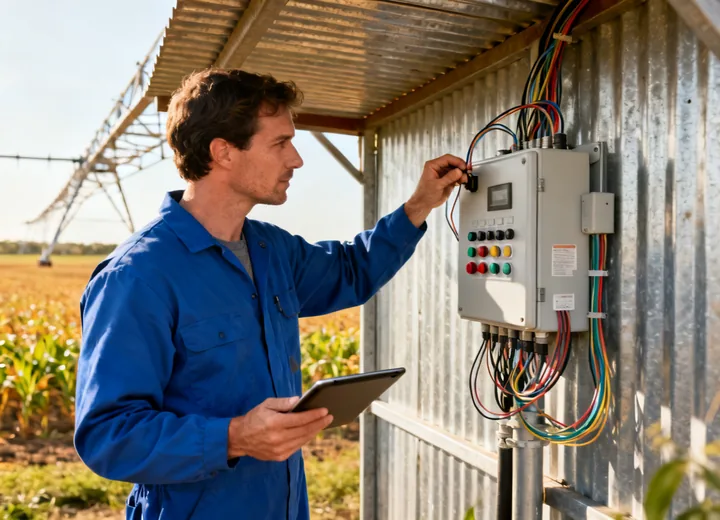
Valve groups, VFD pump ramps, drip tape zone maps and remote alerts verified on site so night schedules do not fail on the first heat wave.
Mid-season tune-ups when cutting windows, bloom timing or water allocation change the irrigation calendar you started with.
Case highlights
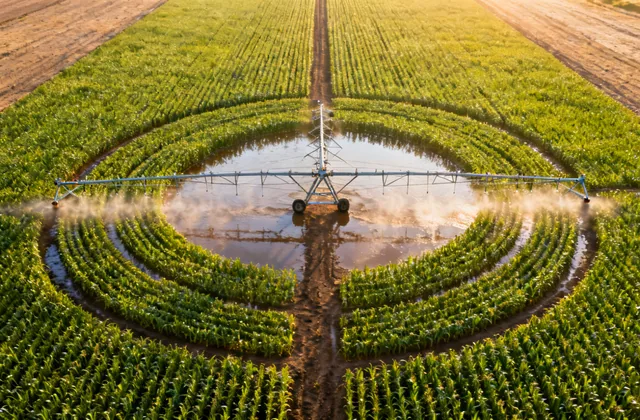
In July 2024 a Midwest corn grower planned a 120 ha center pivot circle, but pump tests peaked near 95 m3/h. Lindsay trimmed end-gun duty, staged a VFD pump soft start and split the outer ring into a night-priority window. First-season soil probes on a 12 ha outer band showed moisture holding within the agronomist target instead of drying two days early, and the farm kept the existing well instead of buying a larger pump set.
Typical 2024 outcome on similar Midwest corn acres: CapEx stayed with the existing well, and outer-ring moisture held through the first July heat week after the night-priority schedule went live.
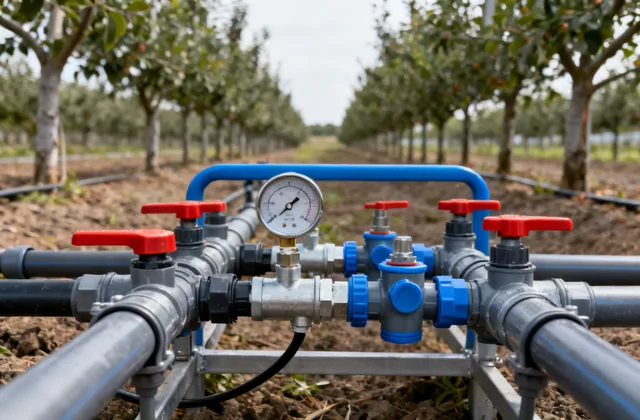
A 28 ha apple block moved from flood to drip with dual-stage filtration. Lindsay mapped three slope bands, set emitter spacing at 0.4 m and linked fertigation recipes to bloom and fruit-sizing stages. Labor hours for irrigation checks dropped while GLOBALG.A.P. water-quality notes stayed audit-ready.
Include crop, acres, water source, flow rate and whether you need layout review, fertigation setup or controller commissioning. We pair the service path to the equipment shortlist.